
Anxiety in Children: What’s Going On, and How Can We Help?
BY DORTE BLADT
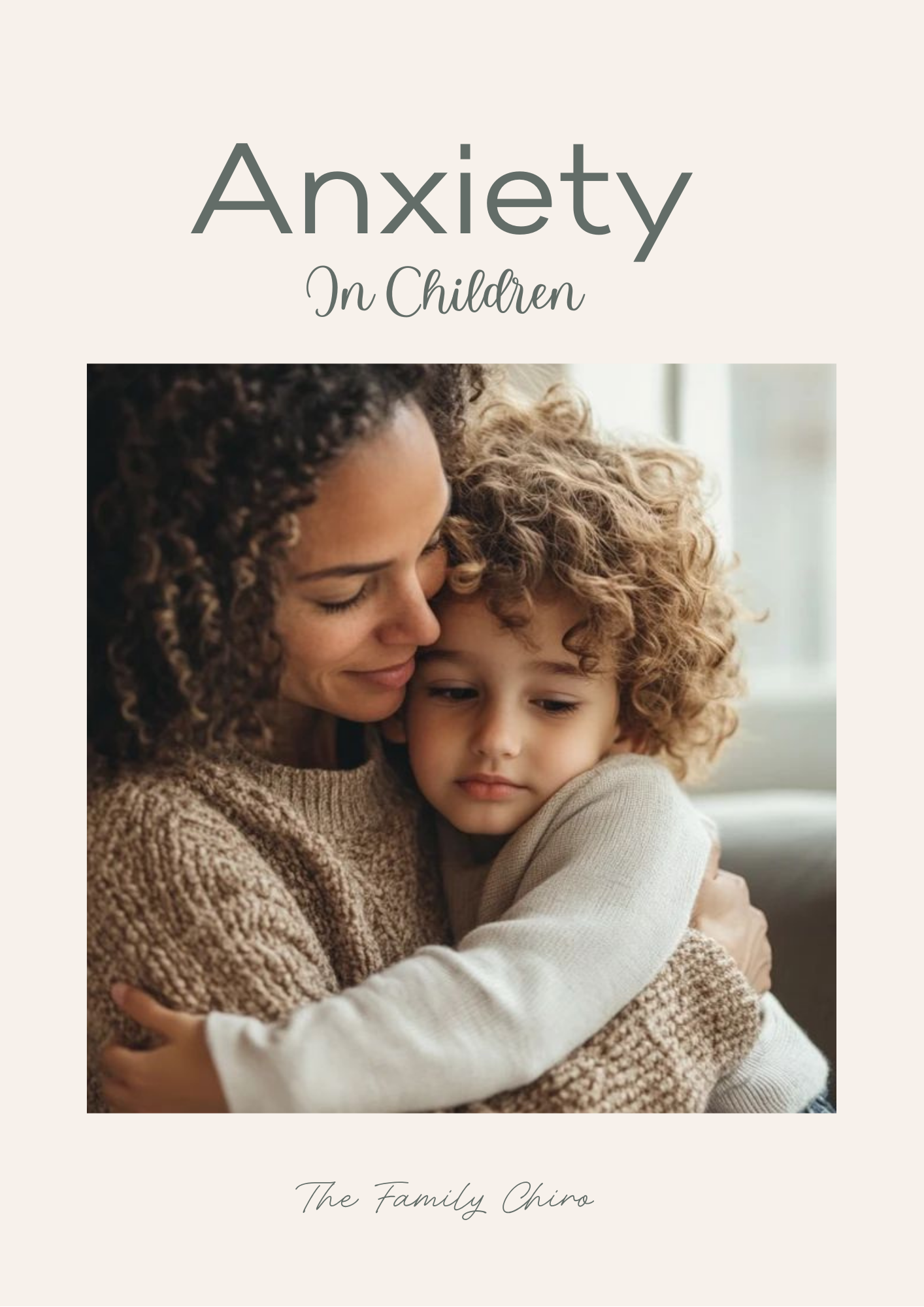
Anxiety in Children: What’s Going On, and How Can We Help?
If your child is anxious, clingy, highly sensitive, explosive or struggling with sleep - you are not alone.
More and more families are telling us the same thing:
“My child is always on edge.”
“They melt down over the smallest things.”
“They can’t switch off.”
“They won’t sleep unless they’re touching me.”
“They don’t want to go to school.”
And for parents, it can feel exhausting, confusing and heartbreaking, especially when you’re trying so hard to help, but nothing seems to work.
The good news is: your child isn’t broken. Often, their nervous system is simply stuck in a stress response.
What anxiety can look like in children
Anxiety doesn’t always look like worry.
In children it can show up as:
meltdowns, tantrums, “explosive” emotions
clinginess or separation anxiety
refusing to speak in certain situations (even with family)
avoiding school, sport, social events or sleepovers
tummy aches, nausea, headaches
trouble falling asleep, staying asleep or waking anxious
irritability, perfectionism or constant reassurance seeking
difficulty concentrating, overthinking or needing to control situations
Sometimes anxiety is obvious. Other times it hides behind behaviour and the child is labelled as “difficult,” “defiant,” or “overly sensitive.”
Why is anxiety increasing?
Childhood anxiety is rising worldwide.
And while every child is different, we now know there are many factors that can push a child’s nervous system into chronic stress mode, including:
stress during pregnancy or early life
birth trauma or difficult early feeding
colic, reflux and unsettled sleep in infancy
ongoing family stress or parental overwhelm
disrupted sleep (for both child and parents)
high screen exposure (especially at night)
less outdoor time and movement
social pressure and overstimulation
neurodiversity (ADHD, autism) and learning differences like dyslexia
Anxiety can also run in families. This doesn’t mean a child is destined to be anxious, but it can mean they are born with a more sensitive nervous system and stronger stress reactivity.
What’s happening in the body?
Anxiety is not a character flaw.
It is a biological stress response.
When the brain senses danger (even emotional danger), it switches on the fight/flight system. This is designed to protect us - but it’s meant to turn on briefly, then switch off again.
In many children today, the nervous system is stuck in “ON” mode.
That can lead to:
tense muscles
gut discomfort (the gut is very sensitive to stress)
shallow breathing
restless sleep
hypervigilance (“always watching, always scanning”)
emotional outbursts or shutdowns
This is why anxious children often cannot “just calm down.”
Their nervous system is doing exactly what it believes it needs to do to survive.
How chiropractic care may help
Chiropractic care focuses on supporting the nervous system and helping the body move out of stress mode and into a calmer, more regulated state.
Chiropractic is not a “cure” for anxiety, but for many children it can be an important part of a supportive care plan, especially when combined with healthy daily habits.
Here are the foundations we most often recommend for anxious children. You do not need to do all of them at once — even one or two changes can make a difference.
1) Protect sleep (sleep is treatment)
Sleep is one of the biggest drivers of emotional regulation.
A tired nervous system becomes more reactive, more fearful and more easily overwhelmed.
Helpful steps include:
consistent bedtime and wake time
a calm bedtime routine (bath, story, cuddles)
aroma therapy can help induce calm – lavender, bergamot,
no screens 1–2 hours before bed
a cool, dark, uncluttered bedroom
white noise if your child is easily startled
avoiding heavy conversations at bedtime
Magnesium supplement or Epsom salt bath
Valerian root tea or supplement can be used as a sleep supplement
If your child is anxious at night, your job is not to “solve the worry”, it is to help them feel safe and settled in their body.
2) Movement is one of the most powerful anti-anxiety tools
Movement helps regulate stress hormones, supports brain chemistry and improves sleep.
For anxious children, this doesn’t need to be intense sport.
Some great options are:
walking
climbing
swimming
dancing
bike riding
martial arts
yoga or stretching
strength-based play (hanging, crawling, pushing, pulling)
The goal is simple: move every day.
3) Outdoor time + morning light
Being outdoors is calming for the nervous system — and morning light helps
regulate sleep hormones and mood.
Try:
walking or riding to school
breakfast outside
a stop at the park after school
weekend nature time
Even on cloudy days, outdoor light is far stronger than indoor light.
4) Screen boundaries (especially in the evening)
Screens can overstimulate the nervous system and disrupt sleep, particularly when used at night.
A simple rule that helps many families:
no screens 1–2 hours before bed
no devices in bedrooms overnight
tech free meals for all
This is one of the most powerful changes you can make for anxious children.
5) Support the gut-brain connection
The gut and brain are deeply connected.
Stress affects digestion, and digestion affects mood.
You don’t need to overhaul everything overnight, but simple steps include:
adding more vegetables (even just one extra serving per day)
reducing ultra-processed foods when possible
balancing snacks with protein and healthy fats
keeping an eye on caffeine (including cola, energy drinks, chocolate)
considering nutrients like iron, zinc, omega-3 and magnesium
6) Teach calming tools (and practise them when calm)
Anxiety tools work best when practised before a child is overwhelmed.
Some of the most effective ones include:
slow belly breathing (may be easier with a toy on the tummy)
“5 senses grounding” (5 things you see, 4 you hear, 3 you touch, 2 you smell, 1 you taste)
drawing feelings
a “worry box” (writing worries on a piece of paper, scrunching them up and putting them away in the box)
a glitter calm jar (fill a jar with water and glitter. Shake it, and watch the glitter float to the bottom)
music, crafts, Lego, clay and colouring
deep pressure hugs, compression clothing or a weighted blanket (if your child likes this sensation)
These strategies help children feel safer in their body, and that’s where regulation begins.
You don’t have to do everything
If your child is anxious, you don’t need a perfect plan.
You just need a starting point.
Small, consistent changes, combined with nervous system support, can make a remarkable difference over time.
If you’d like help, we’re here for you.
Warmly,
Dorte and the Family Chiro Team
